Æ
Font Size:


2025 Tribute Award Recipients

Tribute Award for Excellence

Rick Hansen 

Rick Hansen smiles for a professional photo. He is in a blue button shirt and blue jeans.The Rick Hansen Foundation has become a Canadian icon of efforts to progress on inclusion, equity, and diversity for children with disabilities. Hansen himself has a personal magnetism that inspires people and provides them with new perspectives on what it means to be an advocate and changemaker.

Under his leadership,
the Foundation has provided resources for young advocates and youth affected by disabilities, including annual scholarships in continuing education, its Youth Leadership Committee, annual awards for young difference makers across Canada, and its School Program. His foundation empowers young individuals to make change in their own communities.

Hansen remains a “man in motion,” personifying the ideals of his Foundation. Currently, he and the Foundation are rethinking how people of all ages and abilities access spaces where we live, work, learn and play. The Rick Hansen Foundation Accessibility Certification is an innovative program that rates, certifies, and showcases built environments based on how well people with mobility, vision, and hearing disabilities can access them. More than 2,000 sites have been rated through the program.

Hansen demonstrates a unique mix of resilience and vulnerability. As a public speaker, he talks authentically about the “big, dark canvas of despair” that he faced after a truck accident at age 15 left him unable to walk due to spinal cord injuries, supporting research for therapies and rehabilitation technologies alongside his accessibility work.

He has inspired new generations of change leaders. Hansen has worked with organizations such as March of Dimes, Easter Seals, Parasport Ontario, and the Canadian Paralympic Committee, and has mentored many accessibility advocates, including Maayan Ziv, whose work with AccessNow is empowering people to discover a world of accessible opportunities, make better decisions, and remove barriers. Rick Hansen’s legacy extends well beyond the thousands of lives he has directly touched, and helped create a future that will continue to improve people’s lives for generations to come.

“I’m incredibly honoured to receive the 2025 EKO Tribute Award of Excellence. My heartfelt thanks to the EKO Board of Directors for this meaningful recognition, and for your tireless commitment to advancing accessibility, inclusion and developmental healthcare for children and youth across Canada. Their provincial members provide developmental healthcare to more than 200,000 Ontario kids who have a disability or developmental need. Together, we can continue to work towards a future where every child can express their ability and live their best life possible.” – Rick Hansen, Founder, Rick Hansen Foundation 

Lorin MacDonald

Lorin MacDonald smiles for a professional headshot. She is wearing a royal blue, satin shirt with puffy sleeves and is in front of a dark grey background.A landmark Human Rights Tribunal of Ontario decision ensuring access to public washrooms. An innovative Disability Law course at Toronto Metropolitan University’s Lincoln Alexander School of Law. Clear masks provided across the University Health Network’s Toronto hospitals to support patients with hearing loss who rely on lipreading. Comprehensive policy reforms at Great Wolf Lodge in Niagara Falls guaranteeing greater accessibility for children with mobility issues.

These achievements represent just a fraction of human rights lawyer Lorin MacDonald’s transformative impact—work that has inspired advocates nationwide, restored dignity to people with disabilities across Canada, and earned her appointments to the Order of Canada and the Order of Ontario, as well as induction into the Canadian Disability Hall of Fame.

“When I witness the tangible impact of accessibility advocacy, it's profoundly affirming,” MacDonald says. “Seeing captioning introduced in universities where students can fully participate or watching the ripple effects of the Human Rights Tribunal case upholding a woman's dignity through washroom rights—these moments validate decades of persistence.”

Persistence and resilience have been MacDonald’s cornerstone strengths, enabling her to overcome systemic barriers, transform individual legal cases into landmark policy shifts, and maintain an unwavering commitment to those she advocates for.

“I have been doing this work for nearly 40 years—believe me, there were more failures than victories. However, I view defeats not as failure because the seed has been planted and will bear fruit at the right time,” she says.

MacDonald embodies the ideals of EKO’s Tribute Award of Excellence. Her influence permeates hospital corridors, restaurant entrances, courtrooms, classrooms, recreational facilities, and university campuses. She has fundamentally reshaped societal perspectives on disability rights, championing equity and inclusion across intersecting identities with a reach that extends from grassroots social media campaigns to legislative discussions on the Senate floor. MacDonald remains clear-eyed about the work ahead despite her impressive accomplishments:

“The journey toward inclusion isn't complete. Canadians with disabilities still face challenges in employment, healthcare, education, and digital spaces. Proactive disability perspectives need to be embedded in decision-making processes rather than implemented as reactive afterthoughts.”

Drawing from personal experience, she concludes: “Having lived with profound hearing loss my entire life, I understand firsthand the frustration of unnecessary barriers—and the liberation that comes upon their removal."

Dr. Jessica Brian

Dr. Jessica Brian is wearing a grey shirt and a blue camisole with a white floral pattern. She is smiling for a photograph looking at the camera.Psychologist Jessica Brian is not only one of Canada’s most highly cited researchers, but also an extraordinarily effective advocate who has devoted her career to improving early diagnostic assessment, intervention, and health services for children with autism and other developmental conditions.

A Psychologist and Senior Clinician Scientist at Holland Bloorview Kids Rehabilitation Hospital and an associate professor at the University of Toronto, Brian is a pioneer in advancing the early detection of autism. She has also built on those advances to develop interventions for toddlers and young children that have empowered family caregivers, helped shape professional practice guidelines, and led to innovative, rigorously researched techniques that have changed the lives of thousands of children and the people around them.

“From very early in my career, I felt the drive to do work that would have a real-world impact for children with disabilities and their families. I started working with children with disabilities as a teenager, where I witnessed first-hand the unique perspectives of each family—the individual strengths and challenges that each family was navigating,” Brian says. “Hearing the family stories is one of the most fulfilling aspects of the work I do. I work with unbelievably gifted researchers, clinicians, and Social ABCs coaches, in both research and clinical contexts, and they love to share these stories with me—these stories are everything to me.”

Colleagues commend Brian’s mix of intellect and grace, which has helped her set the standard for integrating developmental science with family centred services.

Brian co-developed an early intervention program called the Social ABCs, which provides parents and caregivers with strategies to help their toddler communicate and interact socially. Implemented in the child’s natural environment, the Social ABCs use play-based activities and daily routines each individual child finds most motivating to help them build bonds, communicate, and gain confidence and understanding.

Brian is also a valued mentor, expanding the impact of her research into new geographic regions and for new generations of researchers who will continue her work, making life better for children and families not only in Ontario, but potentially all over the world.

“This award has a very special meaning to me because it recognizes the aspect of my work that I value the most. Making contributions that have a positive impact on families and communities is the most gratifying aspect of my career,” she says. 

Tribute Award for Advocacy

Five EKO Scholars

Max Le Moine is wearing a blue plaid shirt in his photo taken outside. Tai Young is wearing a purple dress shirt in his professional headshot. Thalia Avgousti is wearing a black turtleneck in a close-up photo. Wesley Magee-Saxton is wearing a yellow t-shirt and jeans while sitting in his wheelchair. In Daniel Lee’s selfie he is wearing a dark blazer, a blue dress shirt and a tie with polka dots. He also has on a pair of thin, dark glasses.In a more inclusive world, authenticity might not require bravery. In the world we live in though, sharing one’s experiences of disability and ableism sometimes demands reserves of exceptional confidence and self-assurance. Five young recipients of Empowered Kids Ontario Scholarships stepped up this year, discussing their vulnerabilities and aspirations in a powerful podcast-style series about building inclusivity, overcoming barriers, and creating spaces for safe and meaningful engagement. Their openness offered validation and empowerment for many listeners to their conversations.

EKO Scholarships support students studying at colleges, universities, career training programs, and Indigenous Institutes, pursuing careers in sectors from the arts to education, business, law and law enforcement, emergency services, technology, politics, healthcare, and more. Many EKO Scholars are committed to opening doors for other young people with disabilities and developmental needs. The five EKO Scholars we’re honouring went far above and beyond on this front.

The initiative originated with Max Le Moine’s vision for a platform where disabled youth could safely share their thoughts and experiences with developmental health professionals. He and Daniel Lee, Tai Young, Wesley Magee-Saxton, and Thalia Avgousti recorded deeply honest conversations describing their journey through the world of accessibility, inclusion, collaboration, and consent in the developmental health sector. Each scholar’s story is different, highlighting the variety of their experiences.

In a world that often dismisses, ignores, and denies ableism, these five scholars demonstrate exceptional dedication and purpose, communicating with honesty and vulnerability, and vividly present the irrefutable reality of their stories.

They created this series exclusively for EKO members, to help inform organizations with direct influence and impact on the lives of disabled youth and their families. Their professionalism, care, and frankness encourage and support open conversations and understanding among young people with disabilities and developmental needs and their families. These five EKO Scholars not only embody the diversity of disabled voices, they also demonstrate how essential these voices are to the growth and success of society.

Emyle Watkins

Emyle Watkins is posing for a photo with a reporter mic at Pride Toronto." longdesc="Emyle is smiling with her mic that reads WBFO, NPR. She is wearing a bright pink t-shirt with a pride-themed lanyard. The photo is taken on the streets of Toronto with a crowd and buildings in the background.As the Disability Reporter and host of Disabilities Beat for the NPR and PBS affiliate Buffalo Toronto Public Media, investigative journalist Emyle Watkins gives voice to some of the most underserved community members of Southern Ontario and Western New York: people living with disabilities, chronic health, and mental health conditions.

Watkins’ journalism is rooted in their own lived experience as a disabled and neurodivergent person. They draw on both the commonalities and differences in the stories of the people they report on.

“I've gotten to sit across from people who have lived vastly different lives than I have lived, experienced things I will never fully understand what it's like to experience, but we have always found something in common,” they say. “I think the disability community exemplifies a courageous vulnerability and compassion in the ways we communicate with each other that would change lives if only more people could experience it. I am so grateful to be part of and to serve this community.”

Whether they’re covering politics, employment, housing, or education, Watkins works to ensure people with disabilities have the chance to speak for themselves. When Watkins documents barriers blind New Yorkers face in voting and accessing public transportation, or ways to celebrate New Years with kids whose disabilities make them sensitive to overstimulation, they centre the humanity and individuality of the people they’re reporting on.

Their groundbreaking work sets a more inclusive standard for media reporting, influences public policy discussions, and often brings to light stories that no other media organization is covering.
Watkins actively contributes to building the global field of disability reporting. They authored the Global Investigative Journalism Network’s Guide to Investigating Disability Issues. They also serve on the Accessibility and Membership Committees of the non-profit organization Investigative Reporters and Editors and are a member of the Association of Health Care Journalists. Watkins provides free and low-cost workshops to colleges, journalists, and organizations interested in improving coverage of people with disabilities and promoting representation in newsrooms.

“Working with the disability community has shown me journalism has a long way to go in accurately representing everyone. No one person or idea of a person can represent all of us,” they say. “I believe the best journalism shows that nuance and diversity. I think more news outlets need to support their journalists in getting the full story, rather than the easier or more ‘clickable’ one. Our lives can't be simplified.”

Holland Bloorview Kids Rehabilitation Hospital

A young man in his wheelchair is sitting in front of a birthday cake with candles for his eighteenth birthday. He is wearing a blue dress shirt with a print design. He has a slice of cake on a plate in front of him and there is a happy birthday sign in the background.Holland Bloorview Kids Rehabilitation Hospital has been instrumental in advocating on behalf of children with disabilities who “age out” of the pediatric system. The hospital is working to change the policies that often leave young adults unable to access vital services during their crucial transition years of young adulthood.

Holland Bloorview provides transformative care, research and teaching to support over 9,500 kids and youth with disabilities and developmental differences each year.

Their care goes beyond clinical services to include efforts to educate, challenge and reduce stigma through public awareness campaigns, demanding a world that values children and youth with disabilities and developmental differences. Notably, their recent No Piece of Cake campaign focuses on the systemic failures of our healthcare system for people who lose access and services merely because they turned 18.

The campaign draws on the hospital’s own research, which revealed two thirds of young adults with disabilities in Ontario don’t receive the healthcare they need — care that is a basic human right. More than three quarters face barriers accessing medical care, and seven in ten face increased medical costs.

The campaign melds these devastating data points with emotional storytelling, fueling widespread media coverage and social media discussion. Every element of No Piece of Cake is aimed at one goal: inspiring people to advocate for a health-care system that doesn’t leave young people with disabilities behind.

A major part of Holland Bloorview’s success stems from their commitment to collaborate with clients and families, ensuring their messages are authentic, and genuinely reflect the communities they serve. They embody diversity and representation not only among their campaign spokespeople, but in their conversations around planning and strategy. This commitment makes them an immensely effective influence on public discourse around the medical and social impacts of barriers to care.

Jays Care Foundation Challenger Baseball

A young girl is smiling for a photo while sitting in her pink wheelchair. An adult woman is crouched next to her and smiling at the young girl.Jays Care Foundation turns baseball from a game into a game-changer. With outstanding dedication to equitable access, belonging, quality physical activity, and resiliency, Jays Care makes sport and physical activity affordable and accessible for tens of thousands of young people across Canada. In addition to dedicated programs for girls, Indigenous youth, and other groups who face systemic barriers to play, the Foundation’s adaptive Challenger Baseball program creates a space for children, youth and adults living with physical and cognitive disabilities to find community and belonging, alongside a love of the game.

The Challenger Baseball program serves nearly 9,000 kids in Ontario and many more across Canada. Challenger Baseball fosters belonging, resilience, courage, and self-esteem, working joyfully and mindfully to ensure every athlete in the program thrives and feels genuinely valued.

“Our son is autistic. He’s always been really hard on himself. He feels like it takes him a lot longer to figure out skills, to do things. With Challenger Baseball, there is this little bit of patience, of grace, to let him learn things at his own pace,” Challenger Baseball parent Monica Small says. “They want the kids to try. It’s okay if you fail, it’s okay if you don’t get it perfect the first time. That’s the piece for me as a parent, is being able to see him progress, and see his confidence build.”

The initiative reaches far beyond physical fitness and baseball skills. Kids proudly wear team uniforms and find confidence that carries them well beyond the diamond, inspiring them to join other school and community programs, and often to build their first real friendships with other kids.

It’s also about more than just the kids. Challenger Baseball serves entire families, through initiatives like winter clothing donations, respite support, at-home activity kits, and access to books and other essential resources. Events like their National and Provincial All-Star Series celebrate the athletes and their families, building memories fostering pride and joy for them all.

“If you were to ever go to one of our games and listen to the parents in the stands, it’s so much fun. Everyone cheers everyone on, everyone knows everyone’s kids. It’s this wonderful community,” Small says.

Stories for Caregivers

Moses Latigo Odida and Bannister Bergen are posing for side-by-side headshots.In just a few years since its creation, Stories for Caregivers has grown to become the Canada’s largest online community for people who care for kids and adults with disabilities, developmental needs, or other medical complexities. Built on a foundation of storytelling, it provides people who often feel isolated with community, empathy, support, and a sense of belonging.

Canadian film producer Bannister Bergen is the organization’s founder and executive producer. Though he built this digital space to bring others together, he discovered that he also benefited from empowerment and knowledge these stories provided.

“When we began Stories for Caregivers, I was reluctant, even fearful of having the difficult conversations with my wife and family about the very real possibility of caring for our aging parents. Listening to caregivers’ stories changed that. They changed me,” he said. “While we create content for caregivers, another key goal is to reach those who aren’t caregivers yet. I realized I was part of that very audience, feeling unprepared for the responsibility of caregiving and uncertain about what the future might hold. If Stories for Caregivers could help me face my fears, it could do the same for others.”

Caregivers (and caregivers-to-be) often grapple with distress, anger, and depression. With support from TELUS Fund, Bergen created Stories for Caregivers in 2017. In video series and one-off episodes, this digital platform gives voice to carers from across the country who often otherwise feel invisible or forgotten.

Uplifting and profound, these videos pay special heed to caregivers who come from marginalized or discriminated-against groups. Notably, producer Moses Latigo Odida’s series, Down: Canada’s Black Caregivers, documents the interconnected challenges of caregiving while black.

Stories videos have garnered 35 million views, and been featured on national television, radio, and news media across the country. With the number of Canadian caregivers expected to keep growing, the Stories community offers an antidote to the isolation these people might otherwise feel. That includes people at TELUS Fund who supported the project.

“Having personally experienced the profound journey of caregiving, I know how isolating and overwhelming it can feel,” says Elizabeth Friesen, Executive Director of TELUS Fund. “These stories create connection, reminding caregivers they are not alone and that their role is invaluable. We are proud to support content that makes a real difference in people’s lives.”

Tribute Award for Partnership

Dr. Peter Lewis and Dr. Mahadeo Sukhai

Mahadeo is wearing a black blazer with a green dress shirt and a checkered tie. He is wearing dark glasses, and the background is abstract art. Peter is wearing a grey blazer and a red plaid dress shirt. The background is bright and blurred out. Forethought rather than afterthought: that’s the guiding principle of a groundbreaking five-day co-design festival hosted in 2023 by Ontario Tech University with the Canadian National Institute for the Blind and OCAD University that brought together participants who identify as blind, partially sighted, Deafblind, or living with sensory processing disabilities to identify areas for design improvement with AI and gain insights on best practices with immersive technologies like augmented and virtual reality. The virtual and in-person workshops actively involved the persons affected by AI who shared firsthand experiences of accessibility barriers in AI, allowing the researchers to feed those lived experiences directly into their designs. This work is ensuring Dr. Peter Lewis and Dr. Mahadeo Sukhai’s new “explainable AI” tools are transparent, inclusive, and equitable, and will shape recommendations for a national standard for disability-inclusive AI, by building accessibility into technology from the start.

Peter Lewis, Canada Research Chair in Trustworthy Artificial Intelligence at Ontario Tech, and Mahadeo Sukhai, the former vice-president of research and Chief Accessibility Officer at CNIB who is now the Chief Operating Officer of IDEA-STEM and holds adjunct faculty positions at Ontario Tech University, Queen’s University, and OCAD U, are focusing on an area of AI research where accessibility is both particularly important, and uniquely challenging. “The early partnership should be illustrative for anyone engaging in research collaborations between the academic and nonprofit sectors, where both parties participate as equals. We lived that ideal and hope it will be an example for others in the future,” Sukhai says.

“Many AI systems operate as what are known as 'black boxes'—we don't know how they make their decisions, or which factors drive their output. Explainable AI provides people with this information, which helps determine whether the AI's output is trustworthy. For example, we know there are ongoing issues with AI systems around bias and discrimination. Explainability can help expose that,” Lewis explains. “However, today's explainable AI techniques almost all involve complex visuals, such as heatmaps or infographics. This fundamentally excludes people with sight loss from accessing the information. Unless we make them more accessible, many people will continue to be excluded from being able to exercise their rights to understand why an AI system that affects them did what it did.”

The original co-design event inspired a wide range of innovations including options to replace images with sounds—instead of data visualizations, visually impaired people could access “data sonifications.”

As has been the case with many technological advances, accessibility considerations can also have benefits well beyond the community they were originally designed to serve.

“One of the things we find time and again is that building accessible-by-design tools and spaces helps everybody, not just people with specific needs,” Lewis says. “Our research is leading to multi-modal ways to interact with AI tools, to suit people's preferences, moving beyond outputs just designed by and for technologists.”

Tribute Award for Leadership

Clovis and Sherron Grant

Clovis is wearing a blue blazer with a light dress shirt and a striped tie. Sherron is wearing a green and gold outfit with a bright orange hairband. They’re standing side-by-side while smiling at the camera.In 2020, during the height of pandemic isolation, Clovis and Sherron Grant launched a support group for Black parents of children with a disability. Sawubona Africentric Circle of Support has since helped empower, educate, and enlighten more than 250 families.

“We truly believe that these families have what it takes to provide a good life for their loved ones,” says Sherron Grant. “However, the isolation and marginalization they have felt accessing mainstream services have made them feel unimportant, sometimes angry and unsure how to best get their needs met. We provide a space where caregivers can take care of themselves, and through greater knowledge of the service systems and supports available, become more confident.”

As parents of a child with autism, the Grants experienced firsthand the distinct, interconnected factors that compound issues of isolation and frustration for Black caregivers.

“Anti-Black racism exists in Canada and within the disability sector,” says Clovis Grant, though he cautions against oversimplifying the effect of these structural issues. “Beware the ‘danger of a single story.’ Beyond race, ethnicity and disability are other factors that contribute to the marginalization of individuals and families including socioeconomics, language, and understanding Canadian systems.”

Members of the Sawubona support group find safety, acceptance, and understanding, as well as information on accessing services.

The group started online and has grown to include in-person and hybrid gatherings. Finding a community often contributes significantly to members’ self-esteem and overall well-being—fundamental factors at the core of the human experience. Through their work, the Grants demonstrate over and over again how, when Black caregivers are supported and cared for, they are better equipped, inspired, and empowered to help their family members thrive. Each success reminds them how much more work is still to be done. They continue to expand Sawubona’s reach, seeking to include families with English as a second language, newcomers, low-income earners, and others who face additional isolating factors.

“What started out as a desire to bring a few Black families dealing with disability together in our living room has grown into an organization doing more in such a short period of time than we ever imagined,” Sherron says.

SMILE Canada Support Services

The young girl is hugging a teddy bear while smiling at the camera. There are a pair of adult hands pushing her wheelchair on a basketball court. She is wearing a light blue dress with flowers on it.Newcomers to Canada whose families include kids with disabilities often find it daunting to navigate barriers related to language, culture, and unfamiliarity with protocols for accessing services.

Founded on principles of equity and advocacy, SMILE Canada Support Services is a registered Canadian charity dedicated to supporting underserved racialized and newcomer children and youth with disabilities, as well as their families. With over 1000 families registered across more than 25 Canadian cities, SMILE Canada promotes safer, more responsive, and more inclusive services for many communities. They improve the lives of racialized children and youth with disabilities through access to rehabilitation services, partnering in research, and directly supporting families’ access to trauma-informed and culturally responsive care.

Their programs include “language-specific service navigation” to help non-English speakers access healthcare and other services. They also offer financial support for therapy and equipment, and provide services like wellness programs and parent coaching for families in need of them. Their innovative programs, dedication to measurable outcomes, and unwavering commitment make them a powerful force working on behalf of newcomers.

They have changed individual lives and also driven the shift toward more inclusive and equitable systems. In addition to directly supporting families, SMILE Canada Support Services also challenges systemic and societal inequities within healthcare, education, and social services. They confront implicit and explicit biases embedded in institutional policies, which weren’t always created with newcomers in mind.

SMILE Canada is a leader in shaping public discourse. Members of the organization actively participate in and organize panel discussions and storytelling events that highlight stories of barriers to access, exclusion, and discrimination. They focus on family experiences, ensuring that their efforts are rooted in the needs, goals, and realities of the communities they represent. This focus helps them guide public discourse toward critical reflection and action planning to promote culturally safer practices throughout the disability, healthcare and social service sectors.

The organization’s advocacy has its greatest impact at the intersection between displacement and disability, where it uniquely addresses individual, organizational, and system-level barriers with the intention of increasing the effectiveness of Ontario’s social service, education and healthcare system.

Luke Anderson

Luke Anderson is posing for a selfie." longdesc="Luke is wearing a red beanie and a beige jacket. He is sitting in a park with leaves covering the ground and trees in the background.Nearly 14 years ago, Luke Anderson found unexpected success bridging one type of barrier. His commitment to overcoming others is stronger than ever.

In 2011, Anderson and a collective of fellow advocates built and placed 13 brightly painted wooden ramps at entrances to businesses in Toronto’s Junction neighbourhood. This was the start of the StopGap initiative, designed to: remove access barriers for people who use mobility devices, raise awareness about the importance of accessibility, and highlight our human right to equal access.

“At the time the first ramp hit the ground, we were thinking it was going to be a one-and-done type of project,” he says. “I thought we would accomplish all our awareness-raising goals and create the change we wanted to see. I had no idea we had started a movement.”

Anderson has expanded StopGap into a registered charity that has installed more than 3,000 ramps at locations all over Canada, greatly increasing access to services and businesses, like stores, coffee shops, and restaurants.

As the name implies, StopGap ramps were always meant as an interim solution. Anderson, an engineer and social entrepreneur, now works with property developers and policy makers to ensure accessibility is prioritized from the start—instead of needing to do costly renovations later. He hopes one day there won’t be a need for a StopGap ramp.

In addition to his work with commercial spaces, he also advocates for more accessible housing design, aimed at giving people with disabilities more autonomy, choice, spontaneity, independence, and freedom. Currently, many people with disabilities experience challenges finding homes that meet their financial and access needs. One recent study estimated around 95% of homes are not fully visitable for people with physical disabilities.

Anderson has helped bring developers and accessibility advocates together to grow awareness of how designing for accessibility from the start makes a major difference to people’s choices and quality of life. He has been instrumental in promoting the increased supply of accessible homes for people all over Canada.

The work is far from complete, but Anderson has started to see the change he works toward.

“We have been successful not only in removing barriers through placing now thousands of ramps in communities all over Canada, but we've also moved the needle in terms of our broader understanding about why accessibility is important,” he says. “The ramps not only remove a barrier, but they also form a literal and figurative platform for meaningful conversations to happen.” 

Tribute Award for Rising Star

Talina Papazian

Talina is holding her book, You Taught Me, in this picture. She is wearing a black blouse with see-through, striped sleeves. She is standing in front of a concrete wall.Many award recipients this year are notable for their work ensuring new generations of advocates carry on the work to make Ontario more inclusive and accessible. Talina Papazian is part of that new generation. The 19-year-old author, volunteer, and educator began her journey with inspiration from with her younger brother who has a hidden disability.

At age 17, she became an author of the illustrated children’s book You Taught Me, which features a deeply inclusive cast of characters and narrative. She uses the book to raise awareness on behalf of children with disabilities and developmental differences.

She works to diminish social stigma and isolation for people like her brother. She leads workshops and activities for young readers, working to reshape how people think about disability and inclusion.

She continues to learn and expand her ideas about inclusivity. For instance, she is currently working to create audiobook, ASL, and Braille versions of You Taught Me, making sure that her story and its lessons are available to all readers.

Papazian is currently working on a follow-up book, and serves on the Youth Leadership Committee of the Rick Hansen Foundation. 

Tribute Award for Service

Brendon Pooran

Brendon Pooran is smiling for a close-up headshot. He is wearing a grey striped blazer with a white dress shirt and blue polka dot tie.Brendon Pooran is a fierce advocate for the rights of people with disabilities. He created PooranLaw to provide support to this community and to influence disability law and policy throughout Canada. He uses the law as a tool to advance equity and inclusion for people with disabilities. Brendon’s unique combination of legal expertise, integrity and empathy has provided many families with the knowledge and options they need to ensure their loved ones will have the care, financial security, and quality of life they deserve.

As a public speaker, he provides families, people, and nonprofit organizations with accessible, jargon-free explanations of their rights and responsibilities. Among his significant contributions to families in Ontario has been his championing of Microboards. He was a founding director and Chair of Microboards Ontario. A Microboard is a small group of family members and/or trusted friends who join with a person who has a developmental disability to create a legal not-for-profit corporation, which supports the person in making decisions that help them enjoy a full and meaningful life. Brendon was also a founding director, advisor, and supporter of what is today Partners for Planning.

Brendon is sought out by governments, community leaders and legal entities for his expertise and innovative approaches to law reform in the areas of legal capacity, human rights, income security, and inclusive housing options, to name a few. He has also been a strong voice to encourage the province for policies that would allow more people with developmental disabilities to benefit from and have greater options for Registered Disability Savings Programs. As one of 12 experts who advises the CRA’s Disability Advisory Committee, Brendon continued to provide expert advice on tax measures for persons with disabilities.

He is a committed advocate for people with developmental disabilities and their families who are trying to secure a future that draws on the support of those they know and trust. Brendon’s advocacy supports opportunities that reinforce and uphold a person’s dignity, agency, and their individual and human rights. 

Dave Schaller

David Schaller is wearing a dark sweater, a blue baseball hat and dark glasses in this photo. He is sitting on a brown chair on a deck and a Canadian flag can be seen in the background.No term describes Dave Schaller better than “power lifter.” Not only can he bench press hundreds of pounds balancing the bar with his right hand and stump he was born with, but he has also raised up hundreds of children and youth with disabilities through the programs, teams, and other activities he has championed.

As the first Therapeutic Recreation Specialist at Pathways Health Centre for Children in Sarnia, Schaller forged community partnerships and became a beloved leader, mentor, and supporter of inclusive, accessible sports, recreation and life skills programs. Over a more than three-decade career, Schaller created and grew specialized programs until they could stand on their own as long-term components of the sporting community. He gave his region the Iron Eagles Strength Training Club, Sarnia Ice Hawks Sledge Hockey, a Challenger Baseball local, a Therapeutic Horseback Riding program, Adapted Sailing programs, and many other inclusive activities still in operation today. One of the achievements he is most proud of is the partnership with Ironworks Gym in Sarnia to create the Give The Kids A Lift bench press contest and fundraiser for Pathways. Now in its 24th year, this inclusive "all abilities welcome" contest has raised more than $300,000 to support children's programs.

Since the early 1990s, Schaller has worked alongside parents, volunteers and community partners, championing accessibility throughout Sarnia and Lambton County, providing opportunities for children with disabilities to participate, compete and excel. Many of the people who trained with Schaller or joined one of his programs went on to successes at regional, provincial, and international events, including the Paralympics.

In swim, track and field, sledge hockey, boccia, and of course strength training, he worked relentlessly and constructively to give children and youth with disabilities similar opportunities as their non-disabled counterparts—he provided the path for them to rise to the top of their chosen pursuits, to believe in themselves, to find purpose and passion, and to be celebrated by their families and fans. Dave also listened to the concerns of families for their children's futures and he responded by creating the onsite Pathways Lifelong Learning Program for young adults, a two day a week social enterprise that teaches life skills and supports many former Pathways clients who are now navigating the community as young adults.

Recently retired as the Manager of Community Services, Schaller continues to volunteer, mentor, and inspire, carrying on a lifetime of dedication to inclusivity and elevating all members of his community. 

2023 Tribute Award Recipients

Tribute Award of Excellence

Hon. David Onley
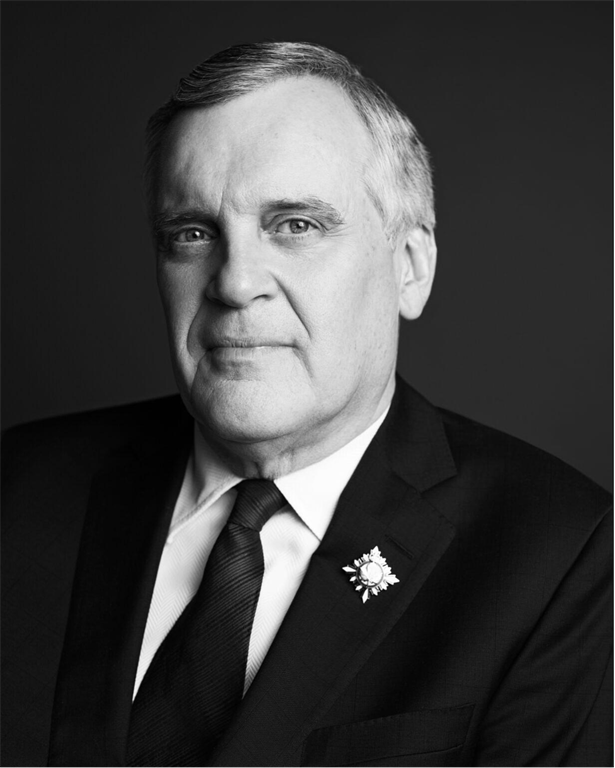
David Onley's headshot is pictured in black and white.

David Onley believed fervently in the potential of people with disabilities—and he made it his life’s mission.

A person of immense accomplishment, he is best remembered as a leading and tireless advocate for substantive equality for children, youth and adults with disabilities and their families—before his tenure as Ontario’s 28th Lieutenant Governor, during his term, and after.

David explained his beliefs in 2007, shortly after being appointed Ontario’s 28th Lieutenant Governor.

“I fundamentally believe that words are very, very important. In this case, the word accessibility has come to mean wheelchair parking spots, curb cuts and automatic doors. And while it is all of these things, it is much, much more. Accessibility, quite frankly, is a right. And that is why I believe we need to start using the term in its complete and full meaning. And it is that which allows someone to achieve their full potential.”

A survivor of childhood polio, David first made his mark professionally as an on-air broadcaster and journalist with CITY-TV, a career that lasted more than two decades. He was the first broadcaster in Canada with a visible disability.

He became a beloved Lieutenant Governor of Ontario and made advocacy for people with disabilities a central part of his role and changing the dialogue about disability.

His leadership continued after completing his tenure as Lieutenant Governor in 2014. He was inaugural chair of the Accessibility Standards Advisory Council of the Government of Ontario and worked as accessibility council member for the Rogers Centre and the Air Canada Centre. In 2018, David was appointed to lead a review of the Accessibility for Ontarians with Disabilities Act. He wrote the seminal Report of the Third Review of the Accessibility for Ontarians with Disabilities Act, 2005, commonly known as the Onley Report, making practical recommendations toward making a barrier-free Ontario, and highlighting existing physical barriers, high unemployment among people with disabilities and ableism as major contributing factors preventing inclusion.

While he was a high-profile leader who made a profound positive change to society, David had the ability to connect with everyone. He spoke at thousands of engagements across Ontario, promoting the significance of identifying and removing barriers for all forms of disability, leading the way for kids with disabilities and their families in this province. His dedication as a role model, to empowering children, and to advancing accessibility has had a significant impact on the lives of countless Ontarians, and an indelible impact on our province.


Tribute Award for Leadership

Dr. Nicola Jones-Stokreef
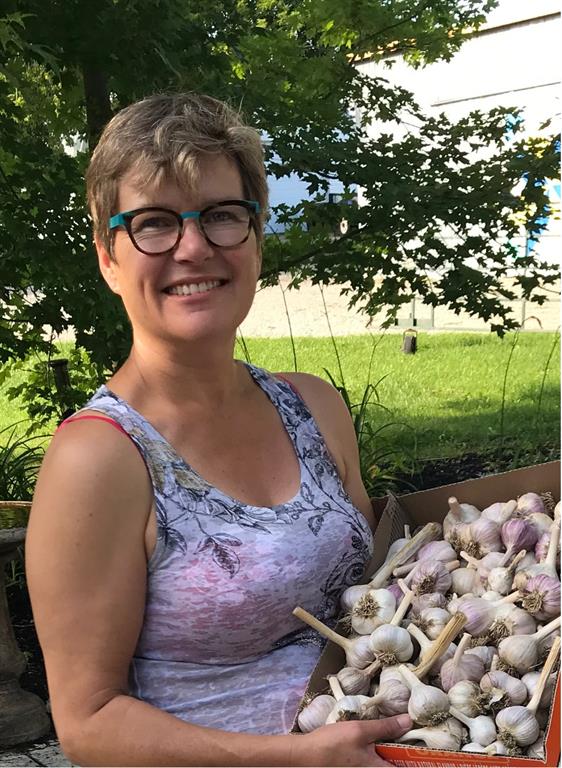
Nicola Jones-Stokreef is standing outside in front of a tree, smiling.

There are a number of positive adjectives that can be applied easily to developmental paediatrician Dr. Nicola (Nicky) Jones-Stokreef: commitment, determination, leader, innovator, visionary, collaborator, role model, mentor, and many more.

But perhaps the words that describe Nicky’s work at its core is a comment from a colleague: “…she goes above and beyond for the families she supports and ensures that they never feel alone in their journey.”

And as committed as Nicky has been to her patients and their families in Simcoe County, she has expanded her role so that others can improve care for children with developmental challenges. Throughout her distinguished career of more than 20 years, she has gracefully balanced exceptional clinical practice with regional system development and provincial level advocacy. She has been instrumental in advancing the autism diagnostic system in Ontario and has served as a true leader and inspiring role model for physicians, allied health professionals, and others in the child development and pediatric rehabilitation sector.

There are many examples of how Nicky’s leadership and innovation came to improve care for kids with disabilities. A better program for diagnosing autism in children is one. More than 16 years ago, Nicky was providing most autism diagnostic services in Simcoe Country. And there were long waiting lists. Nicky’s vision was to expand the number of professionals in Simcoe County who could diagnose a child with autism.

As part of her plan, she trained five speech language pathologists to administer the Autism Diagnostic Observation Schedule. Her guidance and mentorship had a ripple effect – those professionals shared their knowledge with others including occupational therapists and early intervention workers.

While her contributions to service excellence have been immense, Nicky’s work to transform the system for kids with disabilities and their families also exemplifies her talent as a leader. She is kind, compassionate and an assertive advocate. She recognizes the power of her voice and position and leverages it through participation in local- and provincial-level planning committees to ensure that the needs not only of her patients, but all children and youth with disabilities in Ontario are met.

Nicky has a remarkable ability to connect with people. As a parent of three children with autism wrote, “I cannot thank her enough for her help, support, professionalism, and, most importantly, the stability she offered as a specialist and a person. These days, it’s a rare experience. She will remain an important part of our family in our grateful hearts.”

Liviya Mendelsohn
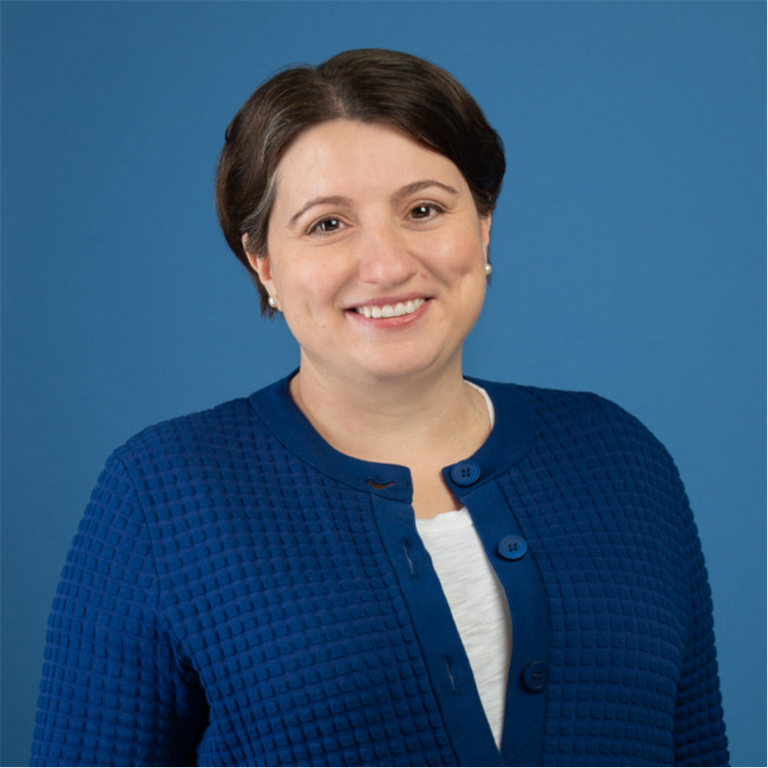
Liv Mendelsohn smiles for her headshot in front of a blue background.

Liv Mendelsohn gets things done. She makes things happen. And the best thing about her work – it’s all for people with disabilities.

She is a connector, an innovator and a fierce advocate for all people with disabilities. Since the beginning of her career, she has been dedicated to bringing the arts, sport, and culture to children and adults with disabilities in an accessible and appropriate way.

And through all of her endeavours, Liv has followed one defining theme: her leadership in removing barriers to inclusion and participation in daily life for people with disabilities.

As the inaugural manager of accessibility at the Miles Nadal Jewish Community Centre in Toronto, Liv created a new Access & Inclusion department. And that, in turn, led to The Citizenship Project. Launched in 2018, the program immerses young adults with intellectual and developmental disabilities in Toronto’s civic landscape, using creative engagement exercises to explore leadership, self-advocacy and what it means to be a citizen. More than 80 young adults have participated since the program launched.

Liv brought the US-based Reel Abilities Film Festival to Toronto in 2016. Focusing on the work and stories of deaf and/or disabled communities and filmmakers in Canada, the festival is now the largest of its kind in the country.

She expanded the festival’s impact by creating the ReelEducation Program, bringing films and Ontario-aligned curriculum focused on accessibility and equity to students across the province, from kindergarten to grade 12. In 2020, the program grew to include online workshops, virtual screenings and accessible education kits for teachers, reaching more than 30,000 students.

Liv’s tenure at the community centre saw the creation of more than 30 accessible programs. She began her role as a team of one and grew it to include five direct reports and 15 instructors.

In addition to creating opportunities for people with disabilities, Liv also was sure to include activities for other equity-seeking groups, such as LGBTQ+ and racialized communities.

She was an integral partner in the creation and execution of accessible vaccine clinics for children and people with disabilities in the city of Toronto during the COVID-19 pandemic, actively supporting the execution of the city run clinics, and personally ensuring that children and people with disabilities could access vaccines in a safe and appropriate way.

In her current role as executive director of the Canadian Centre for Caregiving Excellence, Liv is creating a movement to support caregivers across Canada. Her experience rooted in the disability sector has meant ensuring that parents of children with disabilities are included as part of their strategy – a major step, given that many parents did not feel they had a place.

Liv has made important achievements over the past many years – innovations that will reverberate positively in our community for decades to come.

Dr. Ripudaman Minhas
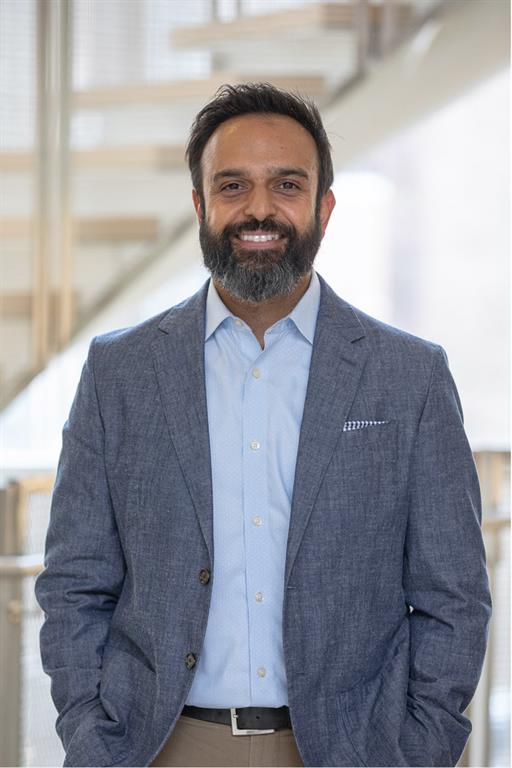
A photo of Ripudaman Minhas smiling with St. Michaels hospital blurred in the background.

Dr. Ripudaman Minhas has a passion for making a difference in the lives of the marginalized and underprivileged. He believes in providing healthcare so that no is left behind. And he practices what he believes.

The Canadian health care system can be difficult to access for anyone. This is especially true for families of children and youth who live with disabilities. And getting the diagnoses and services can be harder still for families who are dealing with any number of forms of marginalization – such as poverty, systemic racism, or immigration status, to name only a few.

Addressing this need is top of mind for Ripu. A developmental paediatrician at St. Michael’s Hospital, Unity Health Toronto and Assistant Professor in the Temerty Faculty of Medicine at the University of Toronto, Ripu is a member of a team at Regent Park EarlyON Centre, which provides early intervention for families in a multicultural and resource-restricted area of Toronto. He has spearheaded a number of programs aimed at helping marginalized children and youth and their families get the health care they need.

Among his many achievements, Ripu founded Our Kids’ Health, which is bringing evidence-based child health information using social media platforms to 10 cultural-linguistic communities globally and now has more than 200,000 followers. The Maple Circle Project was created specifically for parents with a refugee background to understand how they approach parenting after they settle in Canada, particularly if they have a child who has developmental or behavioural concerns.

He is also using his talent to support other health professionals in communications. In 2019, Ripu was appointed the Communications Lead for the Executive Steering Committee of the Physicians of Ontario Neurodevelopmental Advocacy (PONDA). Through his work with PONDA, Rupu has created digital professional development opportunities – such as podcasts, webinars and workshops -- for physicians and other professionals working with individuals with neurodevelopmental disorders.

Ripu’s research interests have also focused on advocating for populations experiencing inequity. He is current a co-investigator on a project addressing South Asian health inequities in Canada through Anti-Oppression Training. He is also involved with a project seeking to understand the experiences of BIPOC (Black, Indigenous, People of Colour) caregivers who work with children with medical complexities and developmental disabilities and their involvement with Child Protection Services.

“I’m interested in how health care professionals engage with diverse communities,” says Ripu. “We’ve made some progress, but we need to continue to work hard to identify opportunities to ensure health care is easily accessible to everyone.”

Tribute Award for Advocacy

Louise Kinross
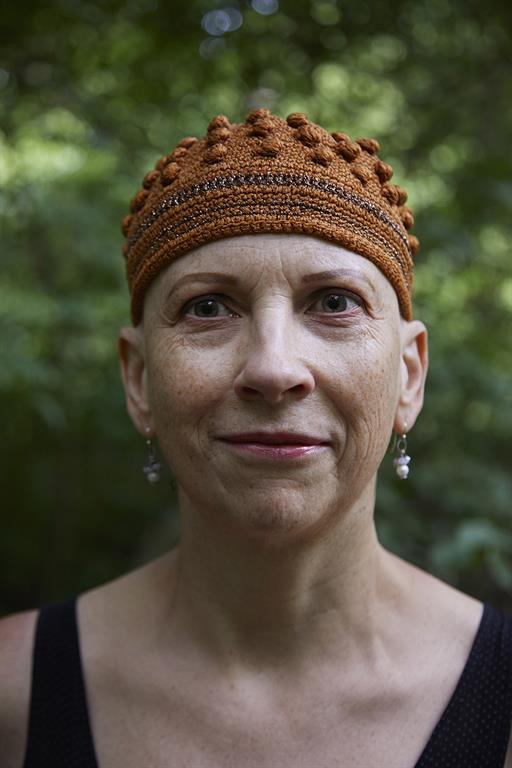
Louise Kinross' headshot features her in a black top and an orange hat in front of a large, green tree.

How do we tell the disability story?

Children with disabilities rarely see themselves reflected in mainstream media. When they do appear, it is often in stories that present them as either tragic or saintly.

Except when the story is told by Louise Kinross. Louise tells compelling stories that go beyond the headlines while giving people the opportunity to rethink their perceptions of disability and ability. Motivated by experience in caring for her son (she has four children and one grandchild), who has a rare genetic disorder, Louise has become known worldwide as a champion for promoting awareness and providing encouragement for parents and caregivers of children with disabilities.

Louise is special projects manager at Holland Bloorview Kids Rehabilitation Hospital. In that capacity she has distinguished herself as an influential voice in the organization and a valued colleague. But she is best known for her brilliant work as the managing editor of BLOOM, an internationally celebrated blog and multi-media platform that explores news and issues surrounding childhood disability. BLOOM is read in 160 countries around the world.

Through her thoughtful leadership and courageous journalism, Louise has propelled BLOOM to become a powerful awareness-building platform. Over the years, Louise has deepened her bold commitment to producing articles, videos and live interviews that advance disability justice and anti-stigma education.

Admirers of her work are many. Andrew Solomon, author of Far from the Tree, says BLOOM “is…an invaluable addition to the literature of disability and difficulty.” And Ian Brown, Globe & Mail reporter and author of The Boy in the Moon, describes BLOOM as “the single best magazine and website about disabilities that I have read. It always addresses practical issues, but it always does so in the widest and deepest way, describing people and perspectives and telling stories that stay with me for months after reading them.”

Accolades aside, Louise remains authentic in her engagement with others, and she is consistently curious to learn more from anyone willing to share their experiences and accomplishments in the disability world. She is driven by an unwavering commitment to ethical journalism, bold storytelling, and anti-ableism that pushes the boundaries of equity, diversity, and inclusion in society. We are lucky to have her voice.

Former Senator Jim Munson

Jim Munson smiles for a headshot.

If you are a person living with autism, then Jim Munson has your back.

Jim has long had a passion for supporting people with autism and their families. But this passion is made up of more than words. He has to put it to work.

Just read what people have to say about Jim.

“He walks the talk.” “A constant source of encouragement and wisdom.” “Always open and accessible.” “A strong and valued voice for autism at the federal level.” “There are few people in the world of autism who command the kind of respect that Jim Munson has. If he is present in the room, people pay attention.”

A noted journalist, Jim worked for more than three decades as an acclaimed globe-trotting foreign correspondent, mostly for CTV, covering hot-zone events like the Iran-Iraq War and Gulf War. His reporting was nominated for two Gemini Awards.

After serving as Prime Minister Jean Chretien’s director of communications for two years, Jim was appointed to the Senate of Canada. And it was in this role that he became a powerful and respected voice for people with autism.

It’s been reported that Jim saw a man sitting on the steps of Parliament and stopped to talk with him. The man talked about his concerns for his son with autism. Jim listened. And he made autism one of his chosen causes, along with the rights of children and people with disabilities—with a focus on the Special Olympics.

His main inspiration and guiding force has been his first son, Timmy, who was born with Down syndrome and lived only nine months.

During his 18-year tenure as a Senator, Jim helped to lay the foundation for the creation of a National Autism Strategy. Through his collaboration with key organizations such as Autism Alliance of Canada, Autism Ontario, and the McMaster Autism Research Team, Jim has highlighted the necessity for taking meaningful action to improve the lives of people with autism at the national level.

Jim played a key role in the seminal 2007 Senate committee report, Pay Now or Pay Later: Autism Families in Crisis, which provided a foundation and guide for transformative priorities in autism across sectors for decades to come.

Jim sponsored a private member’s bill that became law with royal assent in 2012: the World Autism Awareness Day Act. Thanks to his leadership, Canada joined 192 countries in annually recognizing World Autism Awareness Day at the start of every April.

He also sponsored the Accessible Canada Act through the Senate and into law in 2019. This act named and formalized the Nothing Without Us key principle, involving persons with disabilities in developing laws, policies, and programs that impact them. The Act aims to build a barrier-free Canada by 2040.

With selfless advocacy, grace and determination to make a tangible difference, and above all, kindness toward others, Jim Munson has played a vital role in creating a more equitable environment and brighter future for Canadians.

Monika Myers

Monika Myers smailes for her professional headshot.

The next time you have a moment of self-doubt, Monika Myers can help you.

She wants everyone to believe in their worth. Not long ago, she started an initiative to empower us all to take a big step forward. She created “wishlets” that say “I AM BRAVE AND BEAUTIFUL.” She has given away more than 700 of them. And with the wishlets Monika sells, she donates part of the proceeds to support local communities.
The maxim on her website expresses her belief perfectly:
Remind yourself often that YOU are BRAVE AND BEAUTIFUL. Believe in yourself. Pursue your own dreams.
The campaign spreads a message about inclusivity, being confident, and true to yourself. It is a message that resonates with everyone.

Monika has Down syndrome. That doesn’t define who she is. She lives life to the fullest. She loves skiing and cycling and is a proud gold medalist in synchronized swimming. She sings in a choir and is an active Girl Guide.

Monika is a confident young woman who has progressed impressively in both the academic and social sides at her Toronto school. She has a wide circle of friends and loves the arts. She’s played an important role in helping to organize social events with her fellow students. As her principal has noted, “Monika goes out of her way to greet everyone with a smile.”

Now the rest of the world is getting to know Monika.

She recently began modelling and was the first model with Down syndrome to walk many runway shows in Canada and internationally—including Toronto Kids Fashion Week, Fashion Art Toronto, and New York Fashion Week. She’s already captured the attention of famous designers who ask Monika to model their designs.

She’s been featured on TV and in newspapers and magazines around the world. This past year, she was awarded Youth Day Global Down Syndrome Ambassador and is honored to have been chosen as the guest speaker for the 2023 Down Syndrome Association conference in Trinidad & Tobago to encourage the inclusion of people with Down syndrome into the education system.

Monika has accomplished all of this as a teenager. It’s not hard to imagine the tremendous good she will do in the decades to come.

Tribute Award for Partnership

Elizabeth Gunner
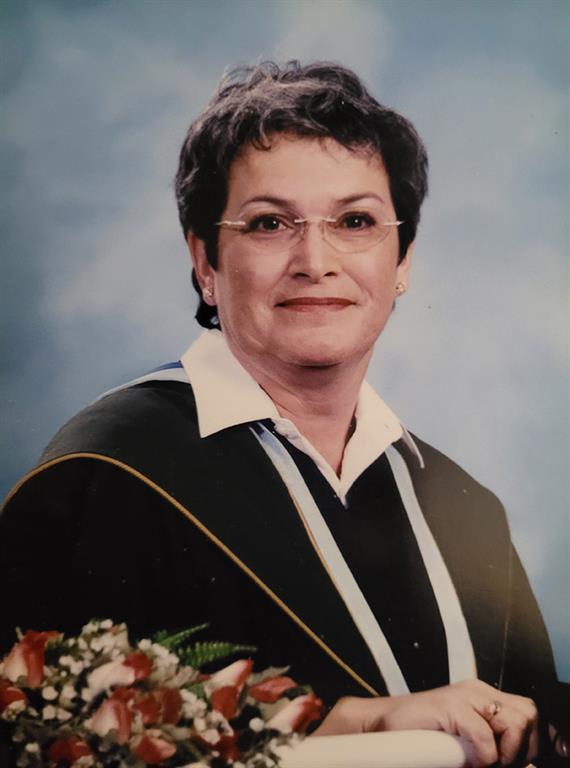
Elizabeth Gunner smiles for a university graduation photo in front of a blue background.

In 2016, Elizabeth Gunner retired as a school principal in Moose Factory. A new chapter in her career was about to start.

Elizabeth was approached to see if she would be interested in collaborating with the Cochrane Temiskaming Children’s Treatment Centre and Mushkegowuk’s Omushkego Education to lead the development of a new provincial initiative to support children and youth with disabilities.

Elizabeth made an incredible impact. In her newly created role as Community Relations Coordinator, she facilitated the genesis of the James Bay Special Needs Services System Planning Table, which is called MaMouPiMoTaTaa –Together We Walk. Elizabeth met with community Elders to explain the intent of the work and seek guidance on a name that would meaningfully represent the purpose. Not only has Elizabeth’s guidance, presence and contributions brought the voice and perspectives of Indigenous families to multiple service providers, her deep excitement of possibilities has created several innovations.

Among her achievements, Elizabeth was instrumental in helping to develop an adaptation of the speech and language program called Moe the Mouse, which was specific to Cree-speaking children. She led the roll-out of a universal Handwriting Without Tears program in James Bay area schools, was an active participant in the development of a newly created Pediatric Indigenous Rehab Assistant post-secondary program, bridged information technology for families through creating an iPad loan program where tablets are loaded with various programs and apps to support learning, and organized multiple parent gatherings where service providers shared information with families and families shared their stories and their needs.

Not one to shy away from challenges, Elizabeth has graciously navigated and balanced the multiple elements in building relationships and networks so that sustainable child development sector services can be provided to children and their families. Her strong commitment to do the right thing has served as a beacon for many.

In everything she does, Elizabeth is a connector, listener, guide, mentor, voice, questioner, supporter, responder, Elder, educator, and a determined advocate for equitable and meaningful supports to Indigenous children, their families and their communities. Elizabeth’s work continues today—she laid such a strong foundation that multiple components of the distant vision set seven years ago are now a reality that will continue to grow.

“Sometimes,” wrote a colleague, “you do not see the impact a person has had until time has passed and you reflect back and realize the significant contribution that person has made in the lives of children. That person is Elizabeth Gunner.”

Rachel Teplicky
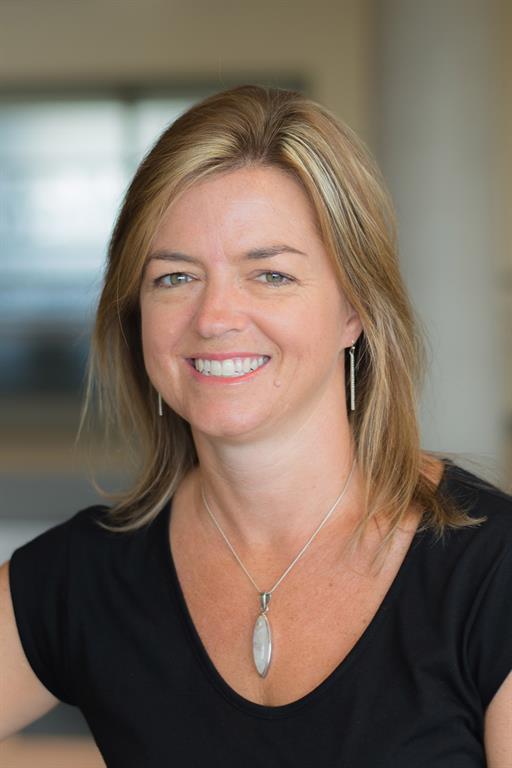
Rachel Teplicky smiles for a headshot.

Friends, Family, Functioning, Fitness, Fun, Future. Collectively, they’re called the “F-Words,” coined by Dr. Peter Rosenbaum and Dr. Hans-Willem Gorter of the CanChild Centre for Childhood Disability at McMaster University. They’re more than just words – they represent both a philosophy and a program to support kids with disabilities to reach their potential.

The F-Words program is becoming increasingly popular in the global child development sector. One of the program’s most active ambassadors, sharing the F-Words with families and professionals around the world, is CanChild’s Rachel Teplicky. 


As one of the lead researchers from CanChild, Rachel worked closely with the Ontario Ministry of Children, Community and Social Services and was instrumental in both advocating for the incorporation of the F-words into the ministry’s reimagining of its services and in promoting other CanChild tools to be used across Ontario. A respected expert, she was invited to give a keynote talk, Service Development aligned to the F-Words in Child Disability Framework at the International Changemakers 2023 Conference organized by KIDS Plus in Geelong, Australia.

Rachel’s mastery of the F-Words program is only one of her talents. She has been an invaluable resource from her many roles with CanChild for years, well-known as a collaborative colleague who helps people everywhere to develop their child disability activities. Her understanding of research methods and issues is praised widely and her ability to offer support to people has gained her a solid reputation as a teacher, speaker and workshop leader.

In her current role as CanChild’s Business and Engagement Officer (and a Master’s-trained occupational therapist), she is a keystone in a very important arch: connecting CanChild’s many outreach activities across Ontario and Canada and around the world.

2021Tribute Award Recipients

Tribute Award of Excellence

Anne Huot

Anne HuotFrom the moment she joined the Ottawa Children’s Treatment Centre (OCTC) as Director of Clinical Programs and Services in 1999, Anne Huot quickly made her mark as an approachable, compassionate and skilled leader who could always be counted on to do the right thing for children, youth and families.

She was instrumental in leading OCTC through many significant changes, including expansion of the OCTC mandate to include children with developmental disabilities; opening and staffing new sites across Eastern Ontario to bring services closer to home; and amalgamation with the Children’s Hospital of Eastern Ontario (CHEO) to integrate care and simplify the family journey.

Following the CHEO-OCTC amalgamation, she took on the role of Vice President, Child Development and Community Services, where she was responsible for multiple programs serving children and youth with special needs and their families, including CTC- and hospital-based rehabilitation services, complex care, the autism program, mental health and the regional genetics program.

She worked tirelessly with her trademark sense of humour to build a more integrated and responsive system of care, culminating in her role as co-chair of the province’s Implementation Working Group for the new Ontario Autism Program, right up until her recent retirement from CHEO in 2021. She continues to contribute to the service system for children and families through consultative project work, most recently with Children's Mental Health Ontario.

Anne began her career as a social worker after obtaining her Master’s degree at the University of Toronto over 40 years ago. Throughout her career, she consistently focused on improving the service system to benefit children and families.

Under her guidance, OCTC expanded its mandate and embraced a LifeSpan Model so that children with disabilities benefited from a broader range of services, from early intervention and diagnosis to behavioural intervention, respite and transition supports, helping to build their independence, confidence and success.

By launching new service sites in western Ottawa, Renfrew and Cornwall, she made a significant difference for families who no longer had to take time off work and drive up to two hours to receive service. As a co-lead in implementing the system-wide electronic health records and reporting system for Ontario Children’s Treatment Centres, Anne helped ensure they had a consistent way of building care plans and monitoring outcomes so that kids would receive the best possible care.

Amalgamation with CHEO brought further opportunities to improve service across the Champlain region, and Anne made a significant contribution to the vision of One Door, One Chart, One Story, One Team. Families now benefit from a single health record that ensures they do not have to continuously repeat their story—a single entry point that makes their service journey as simple and seamless as possible.

Throughout her career, Anne has been an inspiring mentor to countless staff and leaders, instilling in them a compassionate approach to care that always puts kids and families first. This may be her most lasting legacy, continuing to benefit kids with disabilities for many years to come.

Tribute Award for Leadership

Sherri Smith

Sherri SmithIt surprises no one that Sherri Smith was a world champion triathlete before she joined the board of THRIVE Child Development Centre in Sault St. Marie eight years ago. She has served the board as a director and as president, while also working as an academic leader at Sault College, and a supporter and volunteer for a variety of community organizations.

At THRIVE, she has demonstrated unwavering leadership, guiding the organization through several significant changes, including two transitions of chief executive officers. She also moved the organization through a change management rebranding process that led to a new Mission, Vision and Values – and a new name for the organization.

Formerly the Children’s Rehabilitation Centre – Algoma, THRIVE Child Development Centre was created with clients at the heart of what the centre strives to do, which is to create a future of possibilities and help children, youth and families thrive. Sherri spearheaded the entire process and helped everyone at the centre think about what they wanted to accomplish as an agency for the people they serve. Her creative thinking always put the children and families foremost, and her leadership proved positive and visionary.

Years ago, she set her goal as winning the world triathlon championship, and in 2004 she achieved it in Funchal, Portugal. This determination, passion and drive is applied to everything she does. She is not only a championship athlete, but an exceptional coach, mentor, collaborator and partner. She has contributed to many local organizations and events, including: founding the St. Joseph Island Triathlon; Chair of the Sault Sports Council; past president of the Sault Stryders Club; founding member and past president of the Sault Athletics Club; and organizing the Eco-Challenge Adventure Race at Searchmont. She also received the city’s Medal of Merit for achieving provincial and national championship status.

Sherri has a love of learning – her Master’s degree from Baylor University in Texas is in history, and at Sault College she is Chair of Natural Environment, Business and Culinary. Personally and professionally, she is a passionate and resourceful leader who always gives 100 per cent in anything she takes on.

Tribute Award for Advocacy

Lucia (Lucy) Goldberg

lucy goldbergAs a member of the board of George Jeffrey Children’s Centre (GJCC) in Thunder Bay from 2013 to 2021, Lucy Goldberg went far beyond the usual expectations of board directors. Courageously sharing her own experiences, she urged – even compelled – her colleagues to ensure that children and families were always at the centre of decision-making and changes at all levels of the organization.

In addition to her lived experience, Lucy brought a wealth of professional experience to the board as a long-time special education teacher for the Thunder Bay Catholic District School Board. She was never afraid to offer an opinion, articulating what many could not and always putting the children first. In this way, she often drove the discussion on topics before the board. Lucy is a firm believer that the purpose of organizations in this sector is to help children become stronger, independent individuals.

Beyond offering her support at board meetings, she also volunteered with her children and family at as many events as possible – collecting donations at the Christmas Parade of Lights, Family Fun Fairs and Christmas parties to name a few. She was a confident spokesperson at many public events, such as the GJCC’s Smilezone event in 2018 and at local fundraising and advocacy campaigns.

Lucy has also been a tireless advocate for children and families across many other organizations, locally and provincially. She has been a volunteer for years with organizations such as Autism Ontario and the Thunder Bay Therapeutic Riding Association. At the association, which provides an opportunity for children, youth and adults with disabilities to improve their physical and mental health through horseback riding, she regularly helped with its Sunday breakfasts along with her family. She also fundraised within her school network and acted a valued spokesperson.

Colleagues describe Lucy as inclusive, compassionate, and knowledgeable—someone who never fails to think of the children first and whose passion as an advocate is unparalleled.

2019 Tribute Award Recipients

2019 Tribute Award for Leadership

Elaine Whitmore

Elaine Whitmore headshotThroughout Elaine Whitmore’s 17-years as CEO of John McGivney Children’s Centre (JMCC), the centre grew in the numbers of children and families served, volunteers engaged with the centre and its clients, and its staff complement. JMCC also responded to the needs of the Windsor-Essex community by significantly expanding its scope of services.

Committed to ensuring JMCC is a state-of-the-art children’s treatment centre that is welcoming, fully accessible and family friendly, Elaine led an extensive renovation project that was supported by provincial funding, and a successful staff and community fundraising campaign. JMCC also opened Play McGivney together with the adjacent Hotel Dieu Hospital, a fully accessible outdoor playground for all ages and abilities, and completed an indoor Smilezone renovation to create welcoming and fun indoor public spaces.

JMCC achieved many milestones related to improved service delivery during Elaine’s tenure. The centre is the sole provider of School-Based Rehabilitation Services in the area, ensuring the highest quality of rehabilitation services are provided to children attending schools. On-site clinics from London Health Sciences Centre expanded to meet growing local needs for pediatric orthopedic, rheumatology and genetics expertise, eliminating the need for families to travel outside Windsor-Essex for these services. A renewed focus on recreational therapy resulted in expanded opportunities to support therapy goals and social inclusion.

Elaine has been a tireless advocate for ensuring JMCC families are at the centre of care. Under her leadership JMCC adopted a clear family-centred program and developed a Family Advisory Network whose members play an important role in centre decisions.

As a highly respected and involved member of the Windsor-Essex community, Elaine built strong relationships with local system partners, decision-makers and influencers, including in the ever-growing technology sector, to advancer the sector and to promote client independence, improved quality of life and inclusion for kids with disabilities and their families.

Tribute Award for Partnership

Adele Kirby

Adele KirbyCollaboration is at the heart of everything for Adele Kirby, who practices and nurtures partnerships with regional agencies and local providers, and with colleauges across Ontario. Her commitment has created interdisciplinary programs that are integral to One Kids Place (OKP), inspirational to centre staff and peers across the province, and that will impact communities for years to come.

One of the first to join the team when OKP was established, Adele later founded the centre’s office in Gravenhurst, and developed the strong programs for the communities of Muskoka and Parry Sound that are today the significant portion of OKP’s services. She worked with community partners across Northern Ontario to create a family-centred service delivery system that benefits all kids with disabilities and their families, and enhances lives. Adele’s work helped make OKP a home to community partners including the Nipissing Association for Disabled Youth, the North Bay chapter of Autism Ontario, PLAYS, EarlyON, and the Section 23 Transition to School Program.

Adele believes that partnership with community agencies improves services overall, and evidence of this is apparent in programs such as the Sound Community Hub in Parry Sound, a unique partnership that co-locates OKP’s office with local service agencies and has become a model replicated by cities and towns across Ontario. Other examples of this collaborative family-centred approach include the Early Start Denver Model, Coordinated Service Planning, Early Years and Best Start, and Get Ready for Kindergarten, a unique outside the box pilot to ensure all kids are ready and able to be successful in school.

A graduate of University of Toronto’s Speech-Language Pathology program, Adele is known for remaining current with trends and advance is her field and her incorporating knowledge into best in class programs and services. She mentors with an ability to listen, motivate and encourage, building team with a depth of knowledge and positive approach to leadership that is respected by all.

“We’re thrilled to see these fantastic colleagues recognized and honoured by their peers and their communities,” says EKO CEO Jennifer Churchill. “Elaine and Adele have shown us how to keep kids at the centre in our evolving environment, and we are inspired by their many contributions to ensuring Ontario kids with special needs and their families live their best lives.”

EKO Tribute Award Nominees represent the best in class. Read about EKO Tribute Award Recipients

2018 Tribute Award Recipients

2018 Tribute Award – Partnership

Pathways Health Centre for Children

The Aamjiwnaang First Nation

The Walpole Island First Nation

The Chippewas of Kettle & Stony Point First Nation

Shawn Plain and Chief DanPathways Health Centre for Children, together with the Aamjiwnaang, Walpole Island, and the Chippewas of Kettle & Stony Point First Nation have undertaken important work to improve service delivery for children living in First Nations communities in Lambton County.

With startup funding from local industry partners Suncor, Esso, Shell, Nova Chemicals, and Arlanxeo, these partners successfully launched programs that deliver developmental services including speech therapy, physiotherapy, and occupational therapy, to kids and their families in their communities.

These innovative partnerships between Pathways Health Centre for Children and the First Nations communities have led to the development of community-driven models that are increasing access to services, ensuring children and families receive service in appropriate settings, in their own language, and delivered with and by Indigenous therapists.

Positive impacts are already reported for this initiative, which offers tremendous potential to improve developmental outcomes for children in First Nations communities in the future.

Empowered Kids Ontario is pleased to recognize the deserving partners whose dedication to children and youth is at the heart of these innovative and impactful programs.

2018 Tribute Award – Advocacy

Kevin McShan

Kevin McShanFor many Ontarians, finding a job can be difficult. Job candidates with a disability often find they have to compete, and also educate employers about accommodations they may need. Kevin McShan has fought that fight himself. Now he’s doing the same for others.

A natural leader, Kevin is devoting his career to promoting equality and building awareness of the untapped market of skilled individuals with disabilities. After graduating from St. Clair College where he studied Journalism, Kevin became involved in several local campaigns, created his own media consulting business, and produced the 2Man Advantage sports podcast. He served as a program development facilitator at WEareABLE, a Windsor-Essex initiative aimed at educating local business and hiring managers about the benefits of hiring individuals with disabilities.

Earlier this year, Kevin was appointed by the province and by the Ontario Chamber of Commerce to be Ambassador for Access Talent: Ontario’s Employment Strategy for People with Disabilities in the Windsor-Essex region, rolling out the province’s access talent strategy and the online DiscoverAbility network, a hub for employers seeking qualified job candidates. In the role of what CBC calls “talent ambassador,” Kevin educates employers about hiring people with disabilities, and is having great success matching individuals with employers. Kevin explains that these initiatives aim to place candidates with disabilities in 56,000 jobs, reducing the unemployment rate for those with disabilities by 30 per cent in companies that have 20 or more employees. His goal is to break down barriers to employment for the nine per cent, or one in seven, with a disability, ensuring their financial, personal and social independence, and the opportunity to make a contribution.

2018 Tribute Award – Advocacy

Dear Everybody Campaign, Holland Bloorview Kids Rehabilitation Hospital

dear ever bodyIn the second year of a five-year campaign, Dear Everybody features young advocates taking a stand, letting the world know they are not defined by their disabilities.

HBKR CEO Julia Hanigsberg describes the campaign as a national movement, started by the hospital in partnership with kids and youth, to raise awareness of disability stigma and designed to change perceptions, and more importantly get people to take action to create a more equitable society.

In Canada today there are more than 400,000 children and youth up to age 24 living with a disability. The Canadian Human Rights Commission notes disability is the most cited reason for discrimination in the country—at 59 per cent. HBKR research demonstrates this reality: 53 per cent of kids with special needs have zero or one close friend, and they are two to three times more likely to be bullied than kids without a disability. Only 49 per cent of people age 25 to 63 with disabilities are employed, compared to 76 per cent of those without disabilities.

Dear Everybody gives young people a platform to raise awareness about the stigma and barriers they face every day. The campaign reaches people through displays, advertising, news stories and social media and focuses on issues including employment, bullying, friendship, education and health care.

Common misperceptions including underestimating kids with special needs when it comes to their ability to learn, and study. The campaign demonstrates how kids and youth with special needs are like everyone else.

While just in year two, the campaign has already been elevating conversation about disability stigma.

2017 Tribute Award Recipients

2017 Award of Excellence

Lorraine Sunstrum-Mann

As CEO of Grandview Children’s Centre, Ms. Sunstrum-Mann has made contributions that will have a lasting and meaningful impact on the Durham Region, on the network of Ontario’s CTCs, and on the lives of kids with special needs and their families. She is well-regarded for building capacity within the Grandview Kids leadership team and also across the province. Under her leadership the Grandview Kids medical team has cut wait times for assessments by more than two-thirds, and increased visits to 250 a day across six sites with a staff of 150 professionals. Always putting the child first, Ms. Sunstrum-Mann has set the stage for collaborative thinking for years to come. She is an unwavering advocate for kids with medical complexity, and is actively involved in local, provincial and national forums. Faced with the challenge of insufficient and inadequate space, Ms. Sunstrum-Mann envisioned and developed a multi-site model to provide service throughout the region, and she has successfully brought partners on side with these plans for a new facility supporting research, care and inclusion for kids with special needs in the Durham Region.

2017 Tribute Award for Leadership

Dr. Ronit Mesterman

Dr. Ronit Mesterman, Medical Director for Developmental Services and Regional Autism Spectrum Disorder Services, McMaster Children’s Hospital

Dr. Mesterman is founding Chair of the Physicians of Ontario Neurodevelopmental Advocacy (PONDA) network, representing clinicians, researchers and leaders across Ontario who work with kids with special needs. Since its founding in 2011, PONDA has become uniquely positioned to contribute to discussions with policy makers, professionals and caregivers, to address the challenges in caring for kids with special needs and their families, seeking to optimize services across the province so kids with special needs live their best lives.

2016 Tribute Award Recipients

2016 Award of Excellence

Dr. Mary Thain

Kent Stringham, Dr. Mary Thain, Diane Pick pose for photo

Dr. Mary Thain has been the Medical Director of Five Counties Children’s Centre in Peterborough for more than 40 years. She has been their only physician and has established the standard for excellence in rural medical services. Her extensive physician networks and lifelong commitment to continuous learning has ensured that the care and treatment that children receive in the Peterborough area is the leading edge. The care and expertise that she provides allows families to remain close to home and benefit from the latest treatments.

In addition to her local leadership, Dr. Thain served as Chair of the Medical Directors meeting at the OACRS conference for many years. This leadership has fostered both communication and collaboration amongst the physicians and has led to several joint initiatives including a peer review system for physicians and the development of a diagnostic database. Dr. Thain is a Developmental Paediatrician that has made significant contributions to promoting excellence in health care to children with disabilities both in her community and the province.

From left to right: Kent Stringham, Board of Directors - Five Counties Children's Centre, Dr. Mary Thain, Diane Pick, Chief Executive Officer - Five Counties Children's Centre

James Robinson Public School

James Robinson Public School is a known for its culture of inclusivity and collaboration. Located in south-east Markham, it is the first school in the York Region District School Board to build a universally accessible eco schoolyard that allows children of all abilities to play together in an outdoor classroom, accessible garden and play area. The school has also installed a paved learning trail and accessible outdoor amphitheatre. This space ensures the children with special needs including those with multiple needs can be included in activities such as gym and recess.

Recently the school converted their library in to a universally accessible learning space, allowing students with differing physical, sensory and learning and/or mental health challenges to create, re-purpose, explore, invent and innovate. To support their students with multiple exceptionalities the school fosters partnerships with families and other service providers in order to provide the best support to students. The culture of inclusivity extends beyond the specialty classrooms and hallways. 

From left to right: Laura Meffen, Parent - James Robinson Public School, Lara Chebaro, Former Principal - James Robinson Public School, Deb Manni, Teacher - James Robinson Public School


2016 Partnership Award

Smilezone Foundation

Smilezone Foundation is an independent charity committed to “putting smiles on children’s faces.” The charity, founded by Adam Graves and Scott Bachly, established the overarching mission of assisting children, and their families, who are facing difficult times and health challenges. Smilezone’s mission is to create, build and transform areas in hospitals, private treatment and development centres, and children’s clinics, in order to improve the lives of children facing illness, disabilities, and physical and emotional obstacles—ultimately putting a smile on their faces.

Since its inception, Smilezone has partnered with a number of children’s treatment centres across the province. Their work is not only a cosmetic refresh of various spaces but a functional improvement as well. Centres have indicated, “As agencies we provide the day to day clinical service for our clients, Smilezone complements our work by providing a holistic experience from the moment the child walks through the door.” Smilezone has brought an incredible lasting impact to our sector that truly does allow each of our Centres to help our kids realize their potential. 

Jennifer Churchill, Chief Executive Officer, OACRS with Adam Graves, Co-Founder, Smilezone Foundation

2015 Tribute Award Recipients

2015 Advocacy Award

Dr. Peter Rosenbaum

Throughout his career Peter Rosenbaum has made an enormous impact for children with disabilities and their families not only in the province of Ontario but across the country and around the world. The focus of his work: helping kids to be kids first.

Over the past several decades, Peter has been engaged many Children’s Treatment Centres in establishing and implementing best practices in family-centred care, including the role of a key worker, and measuring progress using the Measure of Processes of Care (MPOC). We have benefited from Peter’s work on outcome measurement and classification and his vision for a system that focuses on quality of life for kids with disabilities. Throughout his career, his has patiently and persistently challenged us to practice with “quality of life” foremost in our work with kids and families.

When we have asked for help, he has responded with warmth, honesty and the best knowledge and support he can provide. He has advocated on behalf of children, youth and families with knowledge, passion, persistence, humour and innovation, in a way that makes us all better in serving kids and families.


2015 Leadership Award

Judy Sharpe

Over the past decade Judy Sharpe, Executive Director of One Kids Place worked fervently and adeptly to fulfill the strategic vision of families and community members of Nippising-Muskoka- Parry Sound to establish a Children’s Treatment Centre. Starting with just 3 staff, under Judy’s leadership One Kids Place has grown to 72 full time and 27 part time staff. Judy’s leadership and integrity are evident in her ability to effectively bring services under one roof in order to better support children and families in her community. Judy is admired by her colleagues across the province for her leadership, hard work and commitment to families. She is recognized as an innovator and change agent. Many describe her as a leader who is dynamic and leads with respect, fairness and grace.

2015 Award of Excellence

Louise Paul

Louise Paul is the past Chair of the OACRS Board of Directors and is the Executive Director of the Children’s Treatment Network. Louise was the first Executive Director in over 10 years to take on the role of OACRS Board Chair, her commitment to the association and the importance of speaking in a united voice is always evident. She wears many hats- often at the same time, including those of strategist and mentor. Louise is trusted by government, respected by her colleagues and admired by many. During this past year she has gone above and beyond to provide support to the association as a whole. OACRS is a stronger organization as a result of her leadership.

2014 Tribute Award Recipients

2014 Leadership Award

Dorothy Harvey

Dorothy Harvey exemplifies what it means to be a leader in health care. Across the province, Dorothy's colleagues recognize her as someone who facilitates change, is a champion of children, youth and adults with special needs and as a clinician who is always challenging us to improve. She is an amazing blend of technical savvy, clinical expertise and great leadership with an eye on the horizon. Dorothy says her role as a mother grounds her in her daily work - putting from and centre her connection to why CTCs do what they do.

Dorothy is an active member and leader in many OACRS-based provincial working groups, task forces, and pilot projects. For many years, she has been a leader in designing and promoting the annual OACRS Conference. Her leadership has helped build and strengthen the critical connection between front-line staff across the sector to increase our capacity to develop and deliver quality and specialized service for children, youth and families.

2013 Tribute Award Recipients

2013 Leadership Award

Patricia Baldwin

Over a decade ago, as a result of her interest in supporting the self-determination of youth with disabilities, Patricia Baldwin began a journey that would lead to one of the most fundamental shifts in how therapists approach their work with clients at Thames Valley Children’s Centre in London, Ontario.

As a champion of the relationship-centred practice service delivery model, Patricia introduced, trained and then embedded the use of Solution-Focused Coaching (SFC) an evidence-based model which focuses on a strengths based, collaborative, and goal-oriented approach when working with children and youth with disabilities and the key adults in their lives.

Patricia has provided SFC training to 6 other OACRS organizations and 9 service agencies that have all identified staff to continue building internal capacity. Thanks to Patricia, well over 300 paediatric rehabilitation specialists are using Solution-Focused Coaching today.

2013 Award Of Excellence

Linda Kenny (left)

As CEO of OACRS, Linda energized the children's rehab sector. She focused on the association's role as a provincial advocate for children and youth with disabilities and the need for an integrated and streamlined service delivery system.

Linda fostered a culture of engagement with members, governments and other stakeholders. She pushed the association to think differently about how to work with government. She moved the sector beyond the thinking of "what's good for the sector" to positioning us to frame all that we do in terms of what's best for kids and families. She recognized significant contributions made by individuals and organizations for leadership, excellence and innovation that support OACRS' mandate. The Tribute Awards are testament to Linda's legacy of partnerships and participation in the work of OACRS.

Caroline Stone (right)

Caroline knows first-hand the challenge of raising a children with special needs. It was while she was advocating for her daughter, Shannon, she realized the need to advocate on a provincial level, which brought her to become a member of the OACRS Board of Directors. For the past seven years, Caroline has been instrumental in setting up governance policies and practices consistent with best practices of board accountability and transparency. In her understated but incredibly persuasive manner, she was always able to link her experiences to what parents celebrate and struggle with day-to-day in raising a child with special needs. She speaks passionately about how CTCs and OACRS are essential to the service system in raising the bar to help every child reach his or her potential.

2012 Tribute Award Recipients

2012 Leadership Award Recipients

Stephen Swatridge (left) and Anne Huot (right)

Stephen Swatridge chaired the Project Executive Committee. His leadership of the executive team for the project ensured an effective, transparent and accountable governance structure to ensure that all the Stephen Swatridge (left) and Anne Huot (right)participating centres were moving forward in the same direction.

From the beginning, Stephen’s integrity and credibility marked him as the de facto chair of the project executive. A strong advocate for the collaboration was required to develop and implement a project of this magnitude and complexity, Stephen took on this leadership role amongst his peers. He has led the group to a greater level of trust and confidence as a sector and created and modelled a unifying force within OACRS. His commitment to our sector being “stronger as one” is a legacy that will be felt for years to come.

Anne Huot is the Project’s Director and was recognized for her leadership of the Project Steering Committee. Anne was a driving force behind the development of a sound and supportable business case in the early days, while CRISP was still a glimmer in the eyes of a few. Anne’s approach to teamwork, communication, attention to task and motivation has positioned her as a leader who is well admired by her peers. She has been pivotal in the success of this project as Chair of the Steering Committee and Project Director.

A committee colleague describes Anne as tenacious and a force for good. Her vision has always been focused on the end goal: improvement of care and service delivery for children and families.

2012 Partnership Award Recipient

Client Rehabilitation Information System Project (CRISP) Steering Committee

Since January 2011, the CRISP Steering Committee has been working develop and implement a client information system customized for the unique needs of the children’s rehabilitation sector. This dedicated team was made up of two representatives from each participating CTC, software provider GoldCare Inc. and our project management firm of Healthtech Consultants, have created a customized tool for our sector.

Regular teleconference meetings and participation in monthly meetings by all project team members was imperative and served as a strong motivator of team spirit, project excellence and planning engagement. Joint problem solving and working towards common goals in a positive, encouraging and respectful atmosphere inspired and motivated team members. Every team member had a contribution to make – leadership, practical problem solving, issue identifiers, anxiety busters, clinical expertise and technological know how.

As a result of this tremendous commitment to CRISP, a true network has emerged. The project team has learned from challenges and best practices, resulting in a new level of support and collaboration across the sector. The team will continue to collaborate to develop standardized assessment templates for specific disciplines, sharing best practices and utilizing report data to inform CTC program planning.

Throughout this project, we have used a canoe analogy to represent the commitment, resilience and motivation for the project. To accomplish a goal of this magnitude, it required a trust, a belief that in the end everyone would be in the same canoe, would be paddling together and would be heading in the right direction – together.


The legacy of their work will live on to benefit our sector and most importantly the children and families we serve. Congratulations to the members of the OACRS CRISP Steering Committee

2011 Tribute Award Recipients

2011 Advocacy Award

Lynn Ziraldo

For the past 36 years, Lynn has been a tireless advocate for children with special needs. As the parent of two sons with special needs, Lynn has taken her knowledge and passion about services needed by kids and families to leaders, so that they can make critical decisions with the information they need. Through her involvement with the Learning Disabilities Association locally, provincially, and nationally, she has advocated for all students with special needs. And by leading and participating in local, provincial, and national boards, committees, and workshops, she has impacted education policy and practice, always focusing on equity, inclusion, and quality.

Lynn continues to be a trailblazer for families of kids with special needs, and a strong voice that urges us to work together—an optimistic, patient, respectful, (and respectfully forceful when needed), knowledgeable, humorous, and child and family-centred voice! She has used her voice to articulate social, health, education, and legal issues to educate leaders and policy-makers, and collaborates with them to find solutions. Leaders have listened to that voice, and it has made all the difference for kids with special needs.

2010 Tribute Award Recipients

2010 Advocacy Award

Linda Kenny, Sara Pott, Christine Keith, Paula Grail pose for pictureParent Advocacy Committee of the Niagara Peninsula Children's Centre
The Parent Advocacy Committee of the Niagara Peninsula Children’s Centre was formed in 2009 to develop strategies and actions to bring government attention to the needs of children in our sector. They enthusiastically began a letter writing campaign to the Minister of Children and Youth Services. When Laurel Broten was appointed our new Minister in October 2009, the parents of Niagara Peninsula Children’s Centre were pleased to host her in one of her first CTC visits.

Building on the work undertaken by this energetic group of parents, OACRS devised the “Every Kid Matters” family postcard campaign, resulting in over 500 cards being received by Minister Broten from every part of the province.

OACRS, its member CTCs and families work very hard to develop a positive relationship with MCYS.

This past year is evidence of that work and the strong impact parent advocates have on government representatives.

OACRS is delighted to acknowledge the Niagara Peninsula Children’s Centre Parent Advocacy Committee for their initiative, enthusiasm, and hard work.

OUR MEMBERS

Hands The Family Help Network Logo
firefly
Logo of 'Woodview Mental Health and Autism Services'
Bethesda's logo features the companies name in dark blue with a white bird inside a blue circle after the
Children
Pathways Health Centre for Children Logo
TVCC logo
THRIVE Logo
Lumenus Community Services Logo
Sioux Lookout First Nations Health Authority Logo
One Kids Place Logo
Holland Bloorview Kids Rehabilitation Hospital Logo
CHEO Logo
Surrey Place Logo
Logo of 'ErinoakKids Centre for Treatment and Development '
Quinte Children’s Treatment Centre Logo
The Lansdowne Children's Centre logo features the organization's name written in green with an icon of a child reaching for a yellow butterfly off to the right.
George Jeffrey Children’s Centre Logo
Resources for Exceptional Children and Youth Logo
The logo features Contact Niagara's business name in burgundy and grey lettering.
John McGivney Children’s Centre Logo
The logo turn the word
A logo with graphic design elements that reads Contact Brant, start here, your path to children's services. The text is purple, brown and green.
Hamilton Health Sciences Logo
Children’s Treatment Network Logo
Five Counties Children’s Centre Logo
IWK's logo is a blue rounded rectangle with white figures that look like people dancing and
KidsAbility Logo
Cochrane Temiskaming Children's Treatment Centre Logo
Logo of 'KidsInclusive | EnfantsInclus - KHSC'
Mackenzie Health Logo
Grandview Kids Logo
CTC Logo
Niagara Children’s Centre Logo
NEO Kids Logo
The Interwoven Connection logo has its name in English and French on either side of an animated thread that is looped into a square in multiple colours.